

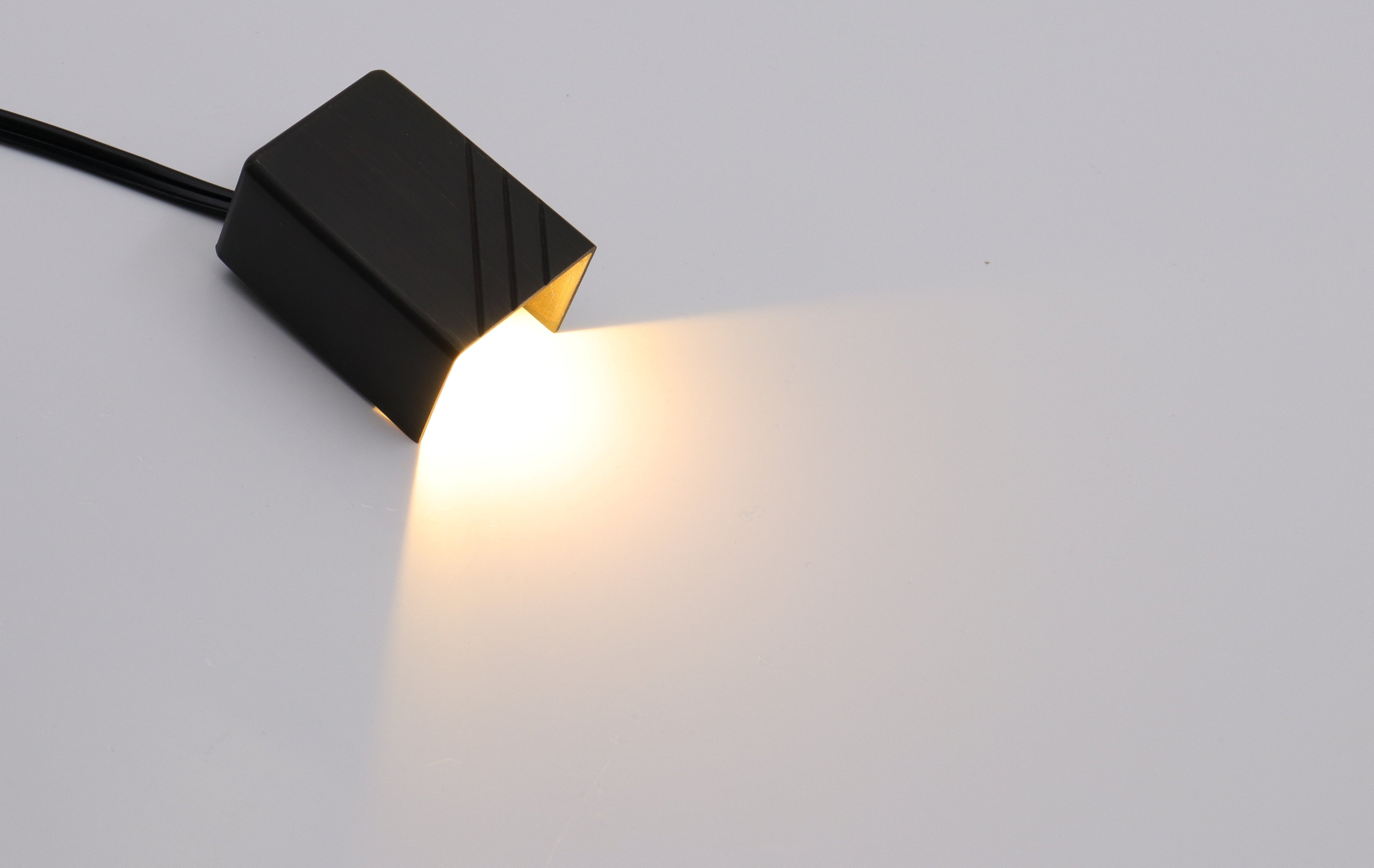
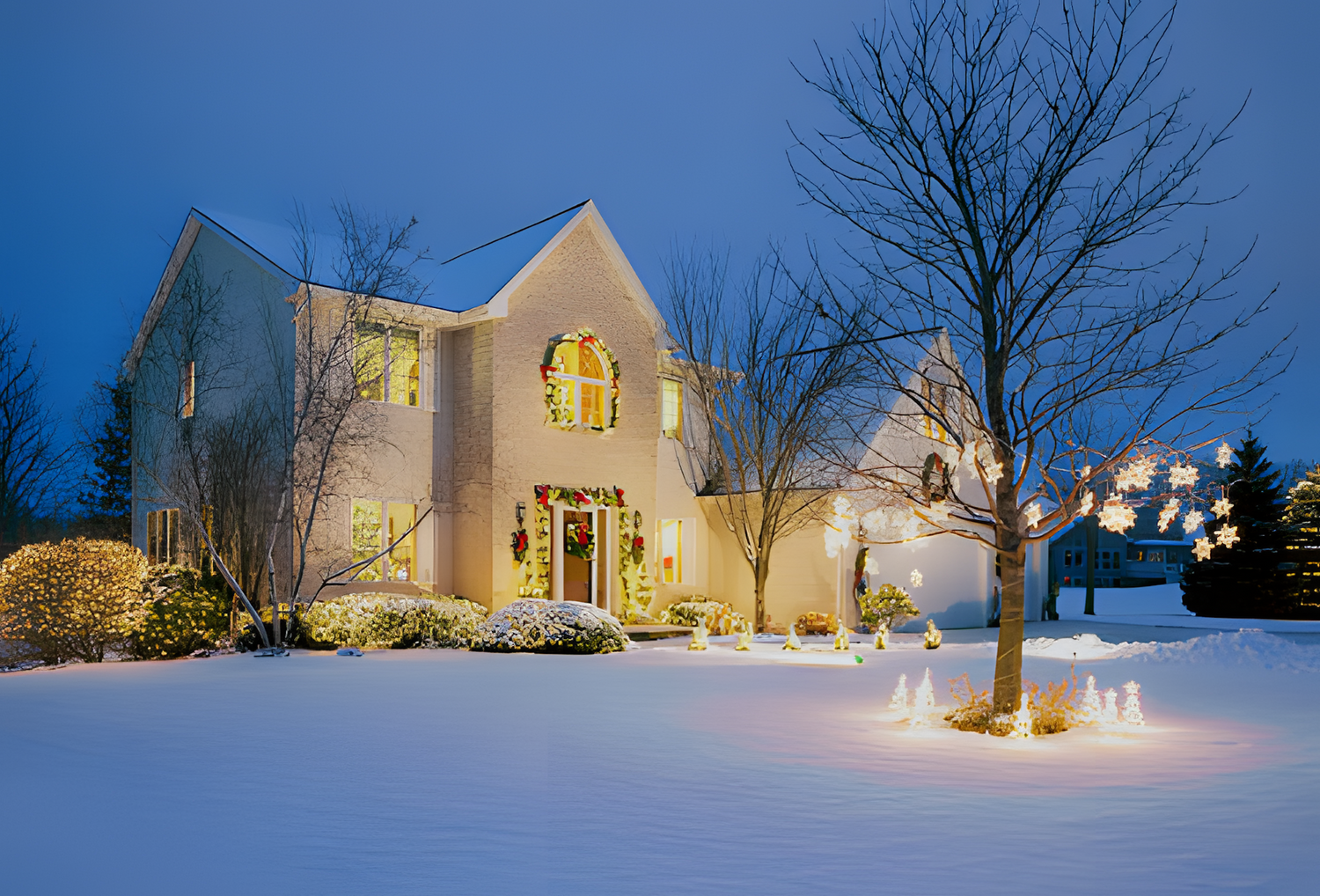
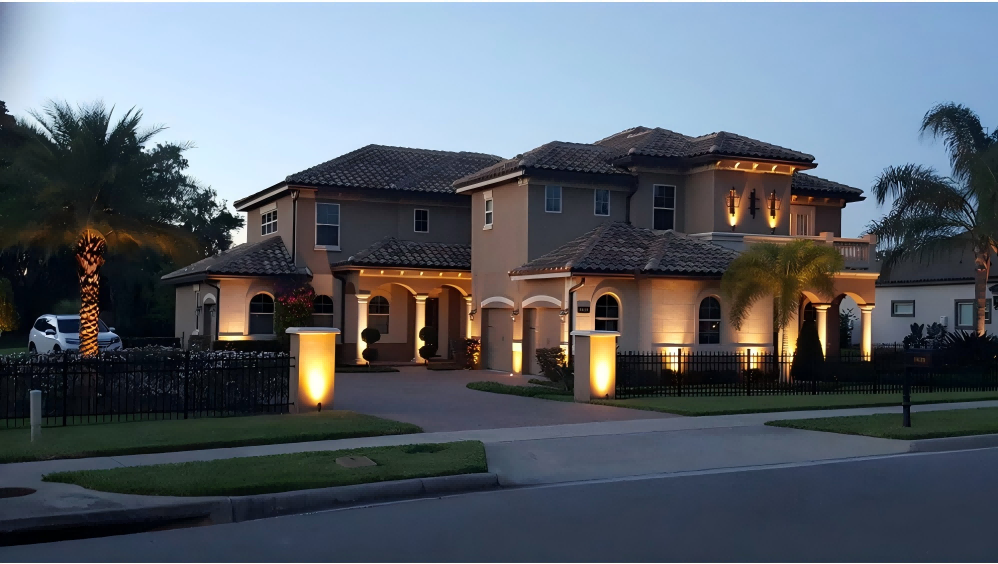
Creating a safe, functional, and visually appealing outdoor space becomes especially important during winter months, when daylight hours are shorter, temperatures drop, and exterior conditions place significant stress on lighting fixtures. Homeowners frequently search for ways to protect their landscape lighting systems from freezing temperatures, moisture intrusion, corrosion, and performance loss. This guide provides expert, data-driven recommendations to help winter-proof your outdoor lighting effectively and ensure long-term reliability.
1. Why Winter Protection Matters for Outdoor Lighting
Winter introduces a set of environmental challenges that directly affect lighting performance and lifespan:
- Moisture and freezes: According to data from the National Weather Service, roughly 70% of U.S. regions experience freezing temperatures during winter. When water penetrates a fixture and freezes, it expands by about 9%, which can crack housings, lenses, and gaskets.
- Shorter days: Many areas lose 2 to 4 hours of daylight compared to summer months, increasing the daily runtime of your lighting system.
- Temperature swings: Thermal expansion and contraction stress seals, wiring insulation, and metal components.
- Snow and ice accumulation: This can block light output, causing uneven illumination and reducing safety.
Given these risks, proper winter-proofing is not optional—it is essential for protecting both the performance and longevity of your landscape lighting system.
2. Choose Materials Built for Winter Durability
Fixture material plays a significant role in winter performance. Data from lighting manufacturers and corrosion-resistance studies highlight the importance of choosing metals that withstand moisture and temperature fluctuations.
Best-in-class materials for winter conditions:
- Naturally corrosion-resistant
- Forms a protective patina over time
- Performs reliably in temperatures well below freezing
- Ideal for long-term exposure to snow, humidity, and soil contact
✓ Stainless steel (marine-grade 316 preferred)
- Strong resistance to rust
- Excellent structural stability in freezing climates
✓ Heavy-duty, powder-coated aluminum
- Lightweight but durable
- Withstands moderate winter conditions
- Suitable for budget-conscious homeowners
Fixtures made with solid brass consistently show the highest resistance to corrosion and freeze-thaw cycles, making them a preferred choice for homeowners in regions with harsh winters.

3. Prioritize Weather-Sealed Fixtures and Connections
Moisture intrusion is the leading cause of outdoor lighting failure during winter. Ensuring a fully sealed system dramatically reduces maintenance and replacement costs.
Key features to look for:
- IP65 or higher waterproof rating: Indicates protection against heavy rain, snow, and water spray
- O-ring gasket seals: Maintain a tight barrier in freezing temperatures
- Threaded lens housings: Prevent the expansion of ice from pushing lenses loose
- Fully sealed wire entry points: Protect internal components
Studies on outdoor fixture failure show that roughly 50% of issues originate from poorly protected wire connections. For this reason, the next section is critical.
4. Use Corrosion-Resistant Wiring and Secure, Waterproof Connectors
Winter is tough on wiring, especially in areas where soil freezes and shifts. Using the correct wiring ensures stable electrical flow and reduces the risk of outages.
Recommended winter-ready wiring:
- 18 AWG or thicker low-voltage wire for durability
- Tinned copper conductors that resist corrosion in wet soil
- UV-resistant insulation to withstand cold cracking
For connections:
- Waterproof gel-filled connectors are strongly recommended
- Professional-grade threaded connectors with silicone seals provide long-term stability
The U.S. Department of Energy notes that environmental exposure is a major contributor to wiring degradation. Using corrosion-resistant wire helps maintain consistent performance even in frozen ground.
5. Optimize Voltage for Cold Weather Performance
Low-voltage landscape lighting systems depend on stable power distribution. Cold weather increases electrical resistance, which can result in dimming or uneven illumination if voltage is not properly managed.
Key recommendations:
- Maintain a voltage range of 12V to 14V across the system.
- Avoid long wire runs without proper branching or hubs.
- Use a high-quality low-voltage transformer with multiple taps to adjust for voltage drop.
According to industry guidelines, voltage drop should be kept below 10%, especially in winter when fixtures often operate longer hours.

6. Clear Snow and Ice to Maintain Light Output and Safety
Snow accumulation significantly reduces illumination by blocking lenses and reflecting light away from walkways. The result is diminished visibility and increased risk of slips and falls.
Maintenance tips:
- Gently brush snow off fixtures after major storms
- Avoid using metal tools to prevent scratching lenses or housings
- Remove ice buildup around in-ground and path fixtures to prevent overheating
A study by the National Safety Council reports that slip-related injuries increase by 30% in winter. Keeping landscape lighting clear ensures proper visibility for driveways, walkways, and entry paths.
7. Adjust Lighting Angles for Winter Aesthetics
Landscape lighting design changes subtly in winter due to leaf loss, snow cover, and different shadow patterns.
Recommended adjustments:
- Raise beam angles to highlight tree branches that are now fully visible
- Use wider beam spreads to illuminate snow-covered surfaces
- Add warm color temperature lighting (2700K–3000K) to create visual warmth in cold landscapes
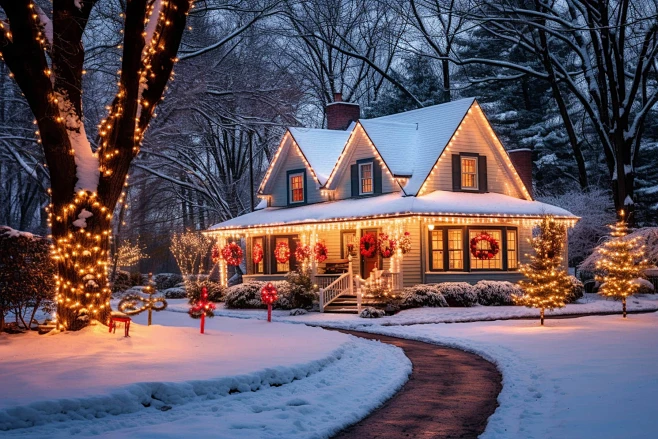
The contrast between warm lighting and snow produces a visually appealing glow that improves curb appeal during the darker months.
Conclusion
Winter-proofing your yard is essential for maintaining a safe, reliable, and visually pleasing outdoor environment during the coldest months. By choosing durable materials, protecting wiring, maintaining stable voltage, and ensuring consistent upkeep, homeowners can significantly extend the lifespan of their outdoor lighting systems. Investing in winter-ready landscape lighting not only enhances safety but also elevates curb appeal during the darkest time of the year—ensuring your property remains welcoming, functional, and beautifully illuminated all season long.

Leave a comment
All comments are moderated before being published.
This site is protected by hCaptcha and the hCaptcha Privacy Policy and Terms of Service apply.