

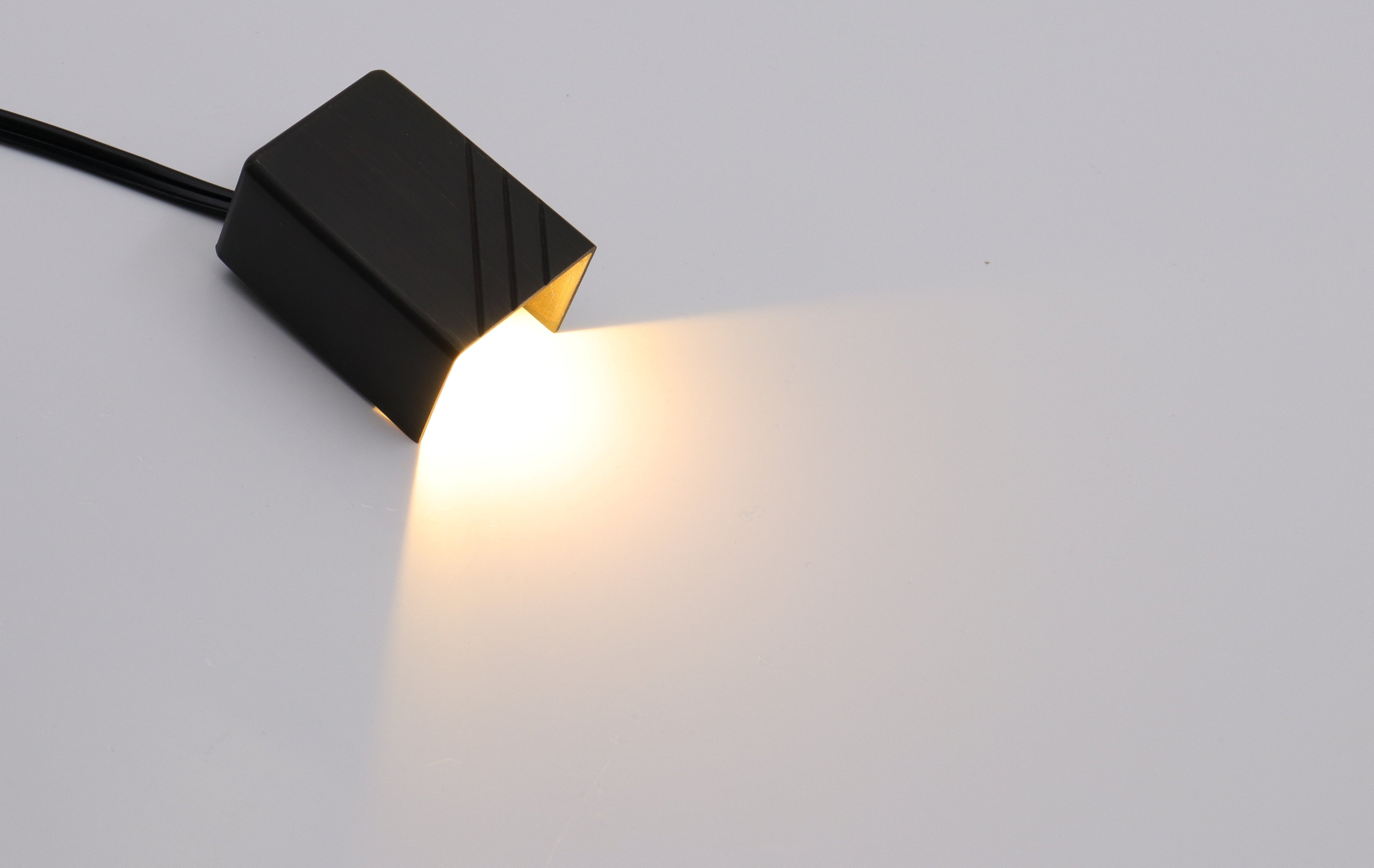

Low voltage landscape lighting has become the standard choice for residential outdoor lighting—and for good reason. It’s safer, more energy-efficient, and flexible enough to create professional-looking results without complex electrical work.
If you’re considering upgrading your outdoor lighting or planning a new landscape lighting system, this guide explains exactly how low voltage lighting works, why it’s popular, and what homeowners should know before getting started.
What Is Low Voltage Landscape Lighting?
Low voltage landscape lighting typically operates at 12 volts, compared to the 120 volts used in standard household electrical systems.
A low voltage system includes:
- A transformer that converts 120V household power to 12V
- Low voltage landscape lights (path lights, spotlights, step lights, etc.)
- Low voltage wiring that connects the system
- Optional timers or smart controls
Because of the lower voltage, these systems are safer and easier to install, making them ideal for residential use.
Why Low Voltage Lighting Is the Preferred Choice for Homeowners
1. Improved Safety
Low voltage systems significantly reduce the risk of electric shock. This makes them safer for:
- Homes with children or pets
- Garden areas with moisture
- DIY installations
For most residential yards, low voltage landscape lighting provides more than enough illumination without the risks associated with line-voltage systems.

2. Energy Efficiency
Modern low voltage systems almost always use LED technology, which offers:
- Lower energy consumption
- Minimal heat output
- Long operating life
This makes low voltage outdoor lighting a cost-effective solution for nightly use.
3. Design Flexibility
Low voltage systems are modular and easy to expand. Homeowners can:
- Start with a small number of lights
- Add fixtures over time
- Adjust placement as landscaping changes
This flexibility is especially valuable for growing gardens and evolving outdoor spaces.
Common Types of Low Voltage Landscape Lights
Understanding fixture types helps homeowners design effective lighting layouts.
Path Lights
- Illuminate walkways and driveways
- Improve safety and navigation
- Typically spaced 6–8 feet apart
Spotlights / Uplights
- Highlight trees, walls, and architectural features
- Create depth and visual interest
- Usually 1–2 fixtures per focal point
Step & Hardscape Lights
- Installed on stairs, retaining walls, or decks
- Provide subtle, glare-free illumination
- Improve nighttime safety
Each type plays a different role in a balanced landscape lighting plan.
How Bright Should Low Voltage Landscape Lighting Be?
Brightness is measured in lumens, not watts.
General guidelines:
- Path lights: 50–150 lumens
- Step lights: 30–100 lumens
- Spotlights: 200–500 lumens (depending on feature size)
Brighter is not always better. Well-designed outdoor lighting focuses on visibility and comfort, not flooding the yard with light.
Understanding Transformers and Power Planning
The transformer is the heart of a low voltage system.
How to Choose the Right Transformer
- Add up the total wattage of all fixtures
- Select a transformer with 20–30% extra capacity
- Choose multi-tap transformers for larger yards to reduce voltage drop
Proper power planning ensures consistent brightness and extends the life of your outdoor lighting system.
 Wiring and Voltage Drop: What Homeowners Should Know
Voltage drop occurs when power weakens over long wire runs, causing lights at the end of the line to appear dimmer.
Ways to minimize voltage drop:
- Use thicker gauge wire
- Keep wire runs shorter
- Use loop or hub wiring layouts
- Choose multi-tap transformers
Good wiring design is essential for professional-looking results.
Is Low Voltage Landscape Lighting Right for Your Home?
For most residential properties, the answer is yes.
Low voltage systems offer:
- Safety
- Energy efficiency
- Design flexibility
- Professional results when properly planned
Whether you’re lighting a small walkway or designing a complete outdoor environment, low voltage landscape lighting provides a reliable foundation.
Final Thoughts
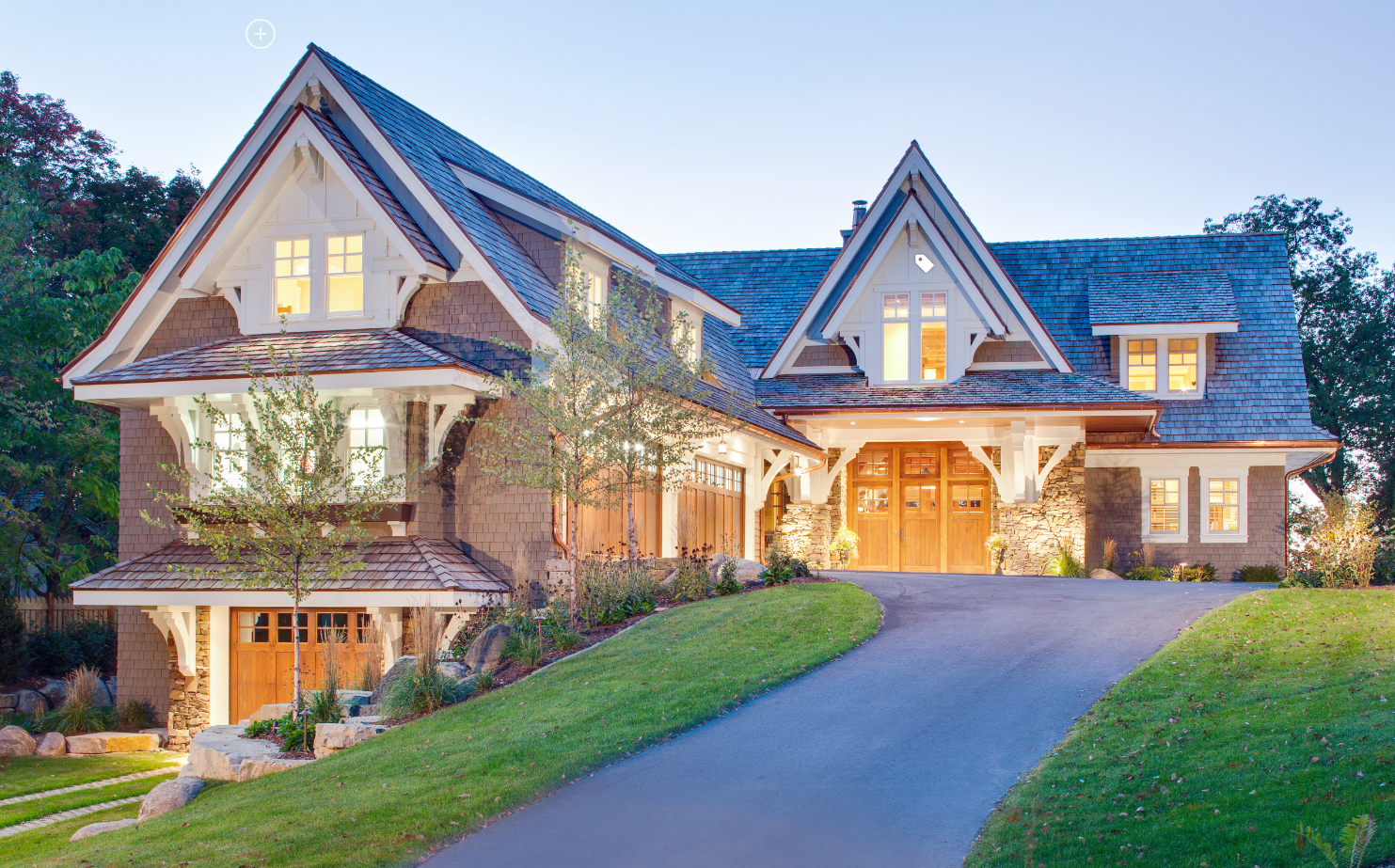
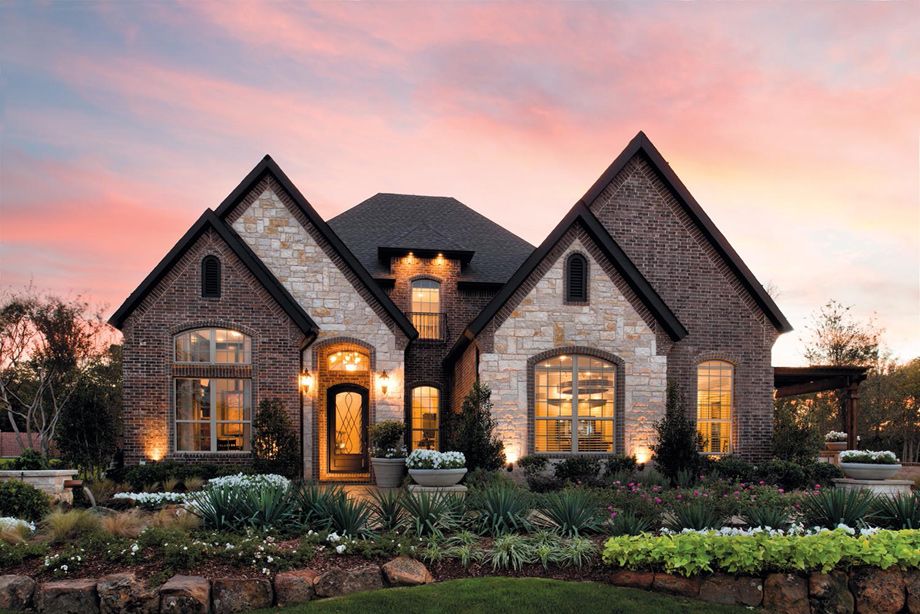
Low voltage landscape lighting isn’t just about illumination—it’s about creating an outdoor space that feels welcoming, functional, and well-designed.
By understanding how these systems work and planning thoughtfully, homeowners can achieve long-lasting results that enhance both safety and curb appeal.

Leave a comment
All comments are moderated before being published.
This site is protected by hCaptcha and the hCaptcha Privacy Policy and Terms of Service apply.