

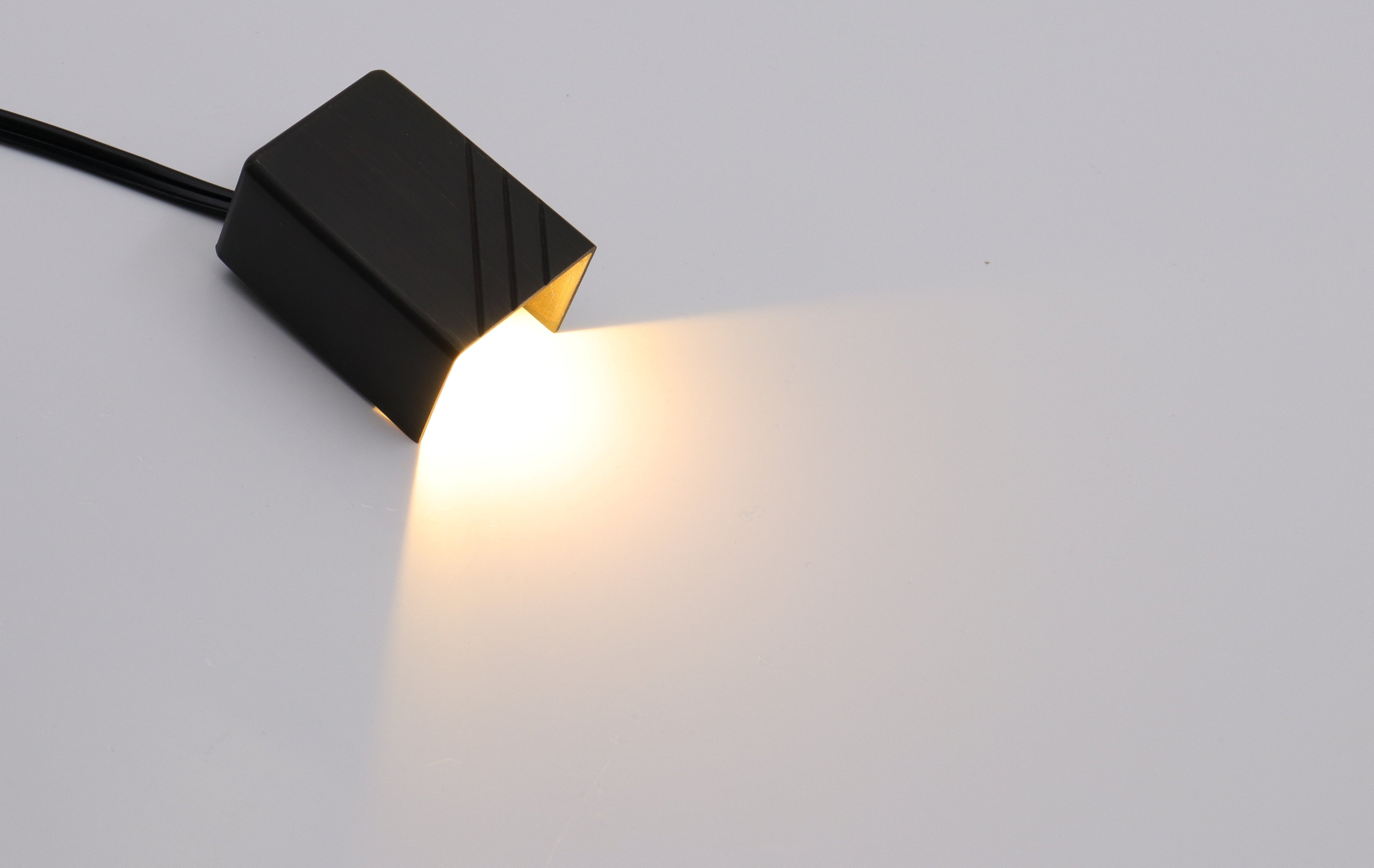

As outdoor living spaces continue to evolve, landscape lighting has become an essential part of residential and commercial exterior design. In 2026, homeowners are no longer focused solely on brightness—they want balance, durability, safety, and visual impact. However, many outdoor projects still fail to deliver the desired results due to avoidable design and installation mistakes.
This professional guide breaks down the most common outdoor lighting mistakes and explains how to avoid them using proven landscape lighting design principles. Whether you are planning a new system or improving an existing one, this article will help you make informed decisions that stand the test of time.
Why Landscape Lighting Design Matters More Than Ever in 2026
Well-designed outdoor lighting does more than illuminate a yard. It enhances safety, improves curb appeal, highlights architectural features, and increases property value. Poorly designed systems, on the other hand, can create glare, dark zones, uneven coverage, and long-term maintenance issues.
In 2026, successful landscape lighting design is guided by three core goals:
- Functionality: clear visibility and safe navigation
- Aesthetics: depth, contrast, and visual hierarchy
- Longevity: materials and layouts built for years of performance
Understanding where projects often go wrong is the first step toward getting it right.
Mistake 1: Overlighting the Landscape
One of the most common mistakes in landscape lighting is assuming that more light automatically means better results. Overlighting washes out textures, removes shadows, and creates an unnatural nighttime appearance.
Professional solution:
Use lighting selectively. Focus on key elements such as trees, pathways, elevation changes, and architectural details. Strategic placement allows light and shadow to work together, creating depth and visual interest rather than flat brightness.
 Mistake 2: Ignoring Lighting Layers
Effective landscape lighting relies on layered illumination, yet many designs use a single lighting approach throughout the yard.
Professional solution:
Incorporate multiple layers of outdoor lighting:
- Ambient lighting to establish overall visibility
- Accent lighting to highlight focal points
- Task lighting for functional areas like walkways and entrances
Layering improves comfort, visual balance, and usability after dark.
Mistake 3: Poor Fixture Placement
Incorrect fixture placement often leads to glare, uneven light distribution, or wasted illumination. Lights placed too close to objects can cause harsh hotspots, while poorly aimed fixtures may fail to highlight their intended targets.
Professional solution:
Plan placement carefully based on beam spread, mounting height, and viewing angles. Fixtures should be positioned to conceal the light source while revealing the illuminated feature. Proper placement improves both visual comfort and design effectiveness.
Mistake 4: Neglecting Power Planning
Power planning is frequently overlooked during landscape lighting design, leading to voltage drop, inconsistent brightness, and premature system failure.
Professional solution:
Design the system with correct power distribution from the start. This includes:
- Matching transformer capacity to total load
- Balancing fixture runs
- Accounting for wire length and resistance
A properly planned low-voltage outdoor lighting system ensures consistent performance across all fixtures.
Mistake 5: Choosing Materials That Don’t Last
Outdoor environments expose lighting systems to moisture, temperature fluctuations, and environmental wear. Using low-quality materials often results in corrosion, water intrusion, and frequent replacements.
Professional solution:
Select fixtures designed specifically for long-term outdoor use. Durable materials, sealed construction, and corrosion-resistant components are critical to maintaining reliable landscape lighting in all weather conditions.
Mistake 6: Forgetting About Glare Control
Glare is one of the fastest ways to ruin an otherwise well-planned outdoor lighting design. Exposed light sources can be uncomfortable to look at and disruptive to the overall atmosphere.
Professional solution:
Use shielding, proper beam angles, and diffused lenses to control glare. The goal is to illuminate surfaces—not the viewer’s eyes. Good glare control improves both safety and visual comfort.
Mistake 7: Designing Without a Long-Term Vision
Many projects focus only on immediate needs without considering how the landscape will mature over time. Trees grow, plantings change, and usage patterns evolve.
Professional solution:
Design with the future in mind. Allow flexibility for adjustments and expansions. A well-planned landscape lighting system should adapt as the outdoor space changes, without requiring a complete redesign.
 How Expert Landscape Lighting Design Solves These Problems
Professional-grade landscape lighting design combines technical planning with aesthetic judgment. It considers:
- Site layout and elevation
- Viewing perspectives from indoors and outdoors
- Seasonal changes in foliage
- Maintenance accessibility
By addressing these factors early, outdoor lighting becomes an integrated part of the landscape rather than an afterthought.
Final Thoughts: Getting Landscape Lighting Right in 2026
Avoiding common outdoor lighting mistakes is not about complexity—it’s about intention. Thoughtful design, quality materials, and proper planning make the difference between a yard that simply has lights and one that truly comes alive at night.
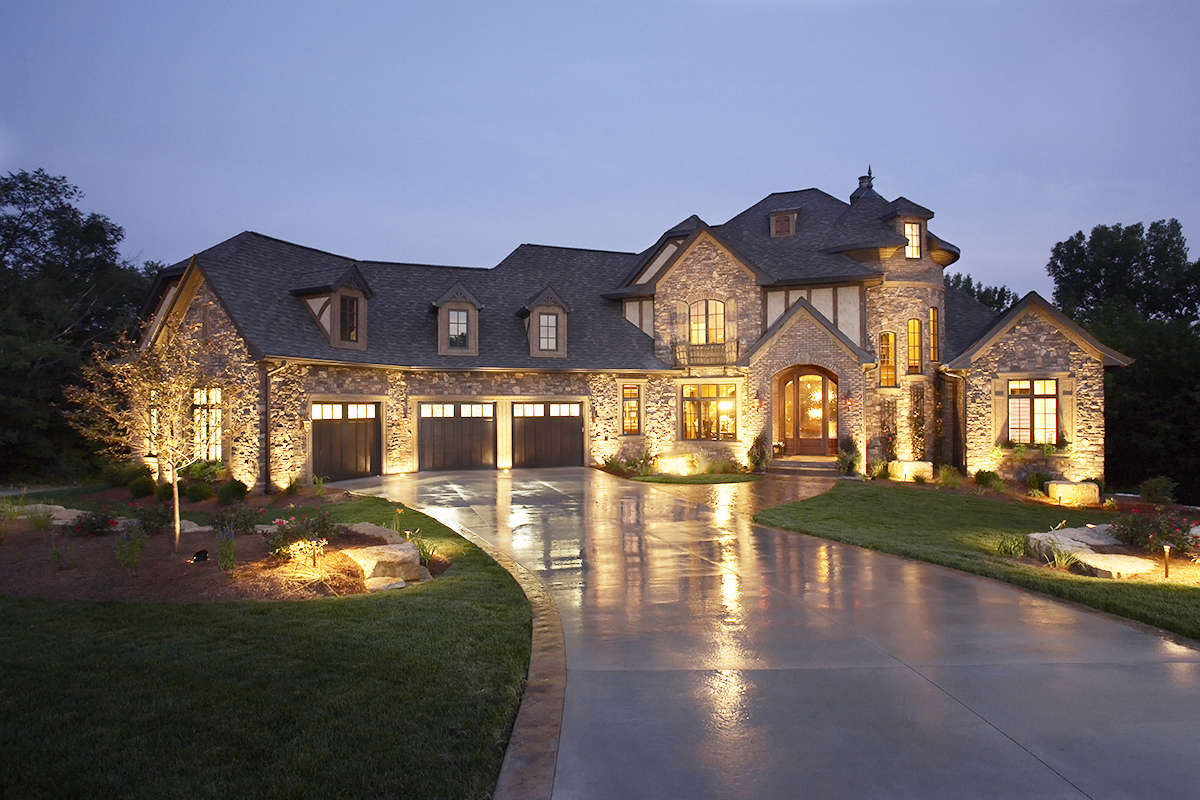
In 2026, homeowners who invest in well-designed outdoor lighting benefit from safer pathways, stronger curb appeal, and outdoor spaces that feel welcoming long after sunset. A professional approach to landscape lighting design ensures the results are not only visually impressive, but also reliable and lasting.


Leave a comment
All comments are moderated before being published.
This site is protected by hCaptcha and the hCaptcha Privacy Policy and Terms of Service apply.