

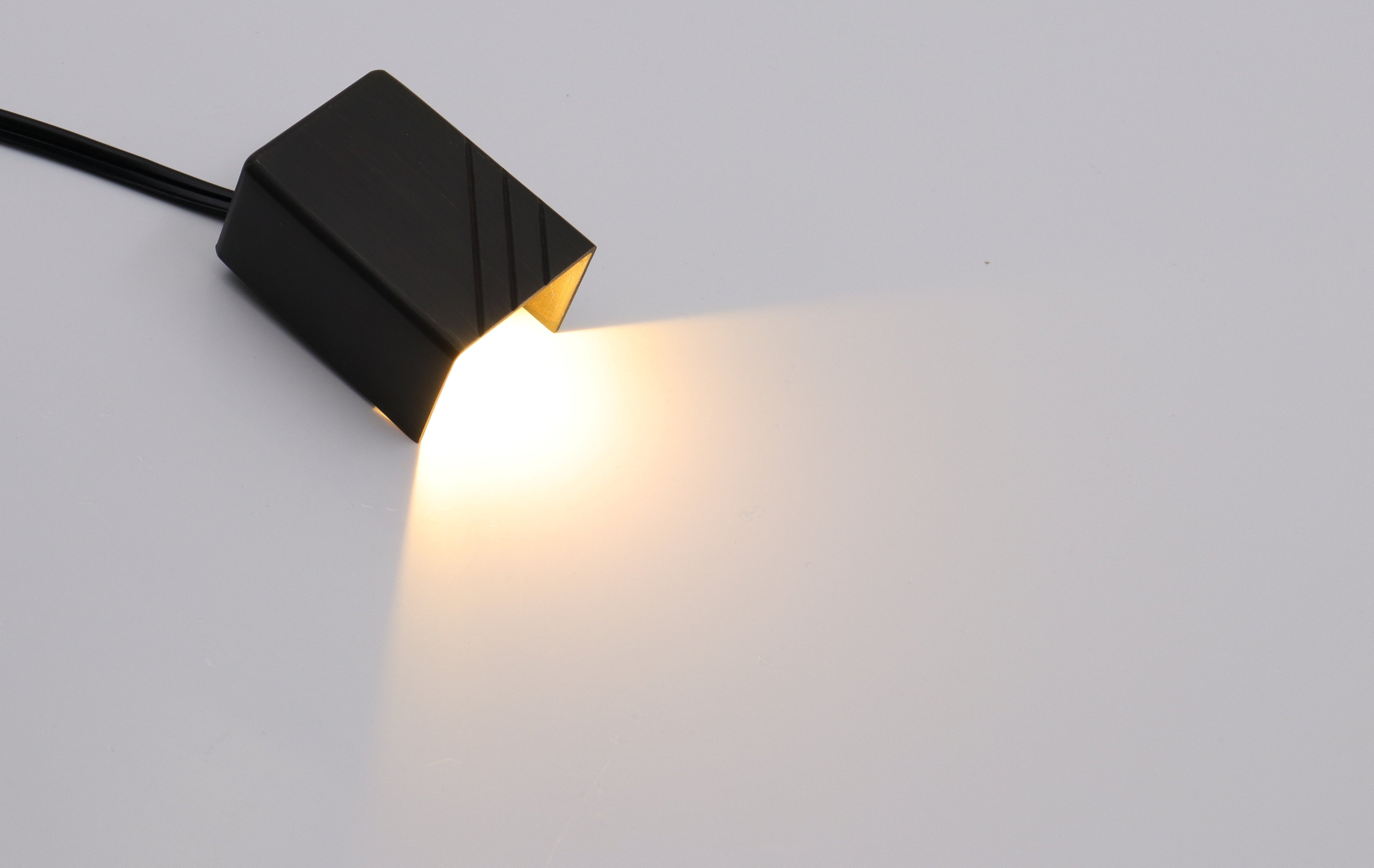

Energy efficiency has become a top priority for homeowners planning outdoor upgrades, and landscape lighting is no exception. Many people want beautiful nighttime environments but worry about rising electricity bills, system inefficiency, or constant maintenance. The good news is that modern outdoor lighting systems make it possible to achieve impressive visual results while keeping power consumption under control.
This article explains how energy-efficient landscape lighting works, what to look for when selecting fixtures, and how professional design principles help reduce long-term operating costs without sacrificing performance.
Why Energy Efficiency Matters in Outdoor Lighting
Landscape lighting systems often operate for several hours every night. Inefficient designs can lead to unnecessary energy waste and higher utility expenses over time. An energy-efficient approach provides several advantages:
- Lower electricity costs year-round
- Reduced environmental impact
- Longer system lifespan
- Less frequent maintenance and replacements
Well-planned outdoor lighting is not about using less light—it is about using light more intelligently.
Understanding Power Consumption vs. Light Output
One of the most common mistakes homeowners make is focusing solely on wattage. Wattage measures energy consumption, not brightness. What truly matters is light output, measured in lumens.
Modern LED-based landscape lighting delivers high lumen output with minimal power draw. This allows designers to achieve strong illumination while significantly reducing overall energy use. Evaluating lumens-per-watt is a more accurate way to compare efficiency across fixtures.
The Role of Low Voltage Systems
Low voltage systems are the foundation of most professional-grade landscape lighting installations. These systems use transformers to safely reduce electrical output while maintaining consistent performance.
Benefits of low voltage outdoor lighting include:
- Improved electrical safety
- Lower operating costs
- Greater control over light distribution
- Easier system expansion over time
Low voltage designs allow homeowners to enjoy high-quality illumination without the energy demands of traditional high-voltage systems.

Strategic Fixture Placement for Maximum Efficiency
Energy efficiency is not only about the fixture—it is also about where and how it is used. Poor placement often leads to wasted light and unnecessary power consumption.
Professional landscape lighting design emphasizes:
- Targeted illumination rather than wide-area flooding
- Proper spacing to avoid overlapping light zones
- Downward or shielded light direction to minimize glare
By focusing light exactly where it is needed, fewer fixtures are required to achieve effective results.
Choosing Durable Materials for Long-Term Efficiency
Material quality plays a direct role in energy efficiency over time. Fixtures made from low-grade materials may degrade quickly, reducing light output and requiring early replacement.
High-quality metals such as solid brass or copper offer:
- Excellent resistance to corrosion
- Stable structural integrity over many years
- Consistent performance in harsh outdoor conditions
Durable fixtures ensure that your outdoor lighting system continues to operate at peak efficiency without frequent repairs or replacements.
Waterproofing and Sealing: An Often Overlooked Factor
Moisture intrusion can significantly reduce fixture performance and lifespan. Water-damaged components often consume more power or fail entirely.
Energy-efficient landscape lighting fixtures should include:
- Sealed lenses and internal gaskets
- O-ring–protected threaded connections
- Ratings suitable for ground contact and wet environments
Proper waterproofing protects internal components and maintains consistent light output over time.
Optimizing Color Temperature and Visual Comfort
Efficient lighting is also comfortable lighting. Overly harsh or mismatched color temperatures can lead homeowners to add more fixtures than necessary.
Balanced color temperatures provide:
- Clear visibility without eye strain
- Consistent appearance across the landscape
- Reduced need for excessive brightness
When outdoor lighting feels natural and visually comfortable, fewer lumens are required to achieve effective illumination.
System Controls and Smart Planning (Without Complexity)
Efficiency improves when lighting systems are designed with thoughtful scheduling and zoning. Separating areas into functional zones—such as pathways, architectural features, and garden spaces—allows lights to operate only when and where needed.
A well-zoned landscape lighting system avoids unnecessary runtime while preserving visual impact.
 Common Energy-Wasting Mistakes to Avoid
Many inefficiencies stem from design and purchasing decisions rather than technology limitations. Common mistakes include:
- Over-lighting walkways and driveways
- Using inconsistent fixture styles and outputs
- Ignoring beam angles and glare control
- Prioritizing low upfront cost over long-term performance
Avoiding these mistakes ensures that energy-efficient outdoor lighting delivers both aesthetic and financial value.
Final Thoughts: Efficiency Without Compromise
Energy-efficient landscape lighting is not about cutting corners—it is about making informed, professional choices. By combining low voltage systems, high-quality materials, precise placement, and modern LED technology, homeowners can achieve striking nighttime environments without excessive power consumption.
A thoughtfully designed landscape lighting system delivers lasting beauty, dependable performance, and controlled energy costs, proving that efficiency and elegance can work together seamlessly in any outdoor space.

Leave a comment
All comments are moderated before being published.
This site is protected by hCaptcha and the hCaptcha Privacy Policy and Terms of Service apply.